
How Arrest Warrants Work in Union County
South Carolina law hands magistrates the power over criminal arrest warrants, within statutory limits. Union County Magistrate Court lists issuing criminal arrest and search warrants among its duties. The Sheriff handles felony and misdemeanor warrants across Union County, but serving a paper is not the same power a judge holds to issue, recall, or change it. To pick the right route, read the court and county named on your notice. A Union County matter could sit in Magistrate Court, General Sessions, Union Municipal Court, Jonesville Municipal Court, or Family Court. For case context, search the South Carolina Trial Court Public Index. It is not a full warrant search, so confirm with the issuing court. The statutory warrant and bail powers for magistrates appear in South Carolina Code Title 22, Chapter 5.
Read Title 22, Chapter 5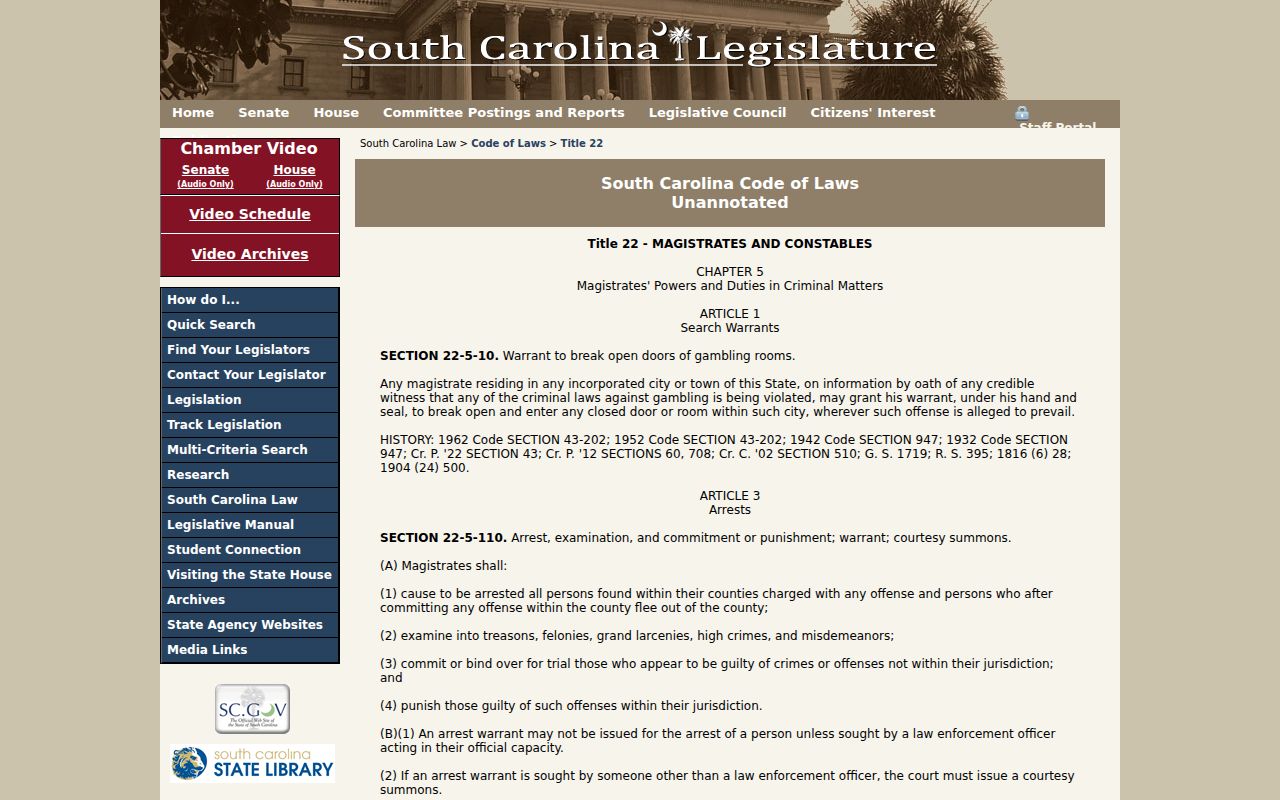
Use the statute for general process, then ask the court about a particular order.
Union County Arrest Warrant Authority
Section 22-5-110 covers a magistrate's arrest authority and how a person requests an arrest warrant, along with statutory exceptions and a courtesy-summons route. Section 22-5-210 deals with a copy of an arrest warrant and affidavit in the setting it covers. These statutes set out procedure. They do not confirm that a given Union County warrant exists, or that it may be released online. The Magistrate page also lists search warrants as a court function. A search warrant targets described places or property, not the custody process an arrest warrant carries. Since the official forms index lists separate forms, name the exact document type whenever you call a Union County office or file a records request.
Arrest Warrants: What They Contain
A warrant or a related form can name the court, the case number, the issuing judge, the legal basis, and the direction given to an officer. A service return may record what happened once law enforcement received the order. Some fields on blank forms hold sensitive personal data. Describing the field type is one thing; copying values from a real person's file is another. Union County offices will know which parts they can share.
| Case or warrant number | Reference used to locate the court file; no local number pattern was located. |
|---|---|
| Issuing judge / court | Shows which Union County court authorized the order. |
| Basis | May refer to a charge or legal process; it is not a conviction. |
| Officer direction | Describes the authorized action under the order. |
| Service return | Records service details or an unsuccessful attempt. |
| Bond terms | May appear in a related order and depend on the case. |
How Warrants Get Served in Union County
The Union County Sheriff's Office states that it handles felony and misdemeanor warrants. Its civil-process page names a Warrant & Civil Process Officer and lists the office line, 864-429-1612. That page offers no public downloadable warrant roster. A service record can show what the Sheriff did with an order, but only the issuing court can address recall, bond, a hearing, or where a case stands. For General Sessions, the Clerk of Court keeps the circuit records. South Carolina Criminal Rule 3 sets a process for forwarding certain summary-court warrants and related papers to General Sessions, and for the Clerk to pass material to the solicitor. That handoff can link court records together, though it does not promise instant online access. The Criminal Rule 3 page gives the official timeline for covered filings.
Read South Carolina Criminal Rule 3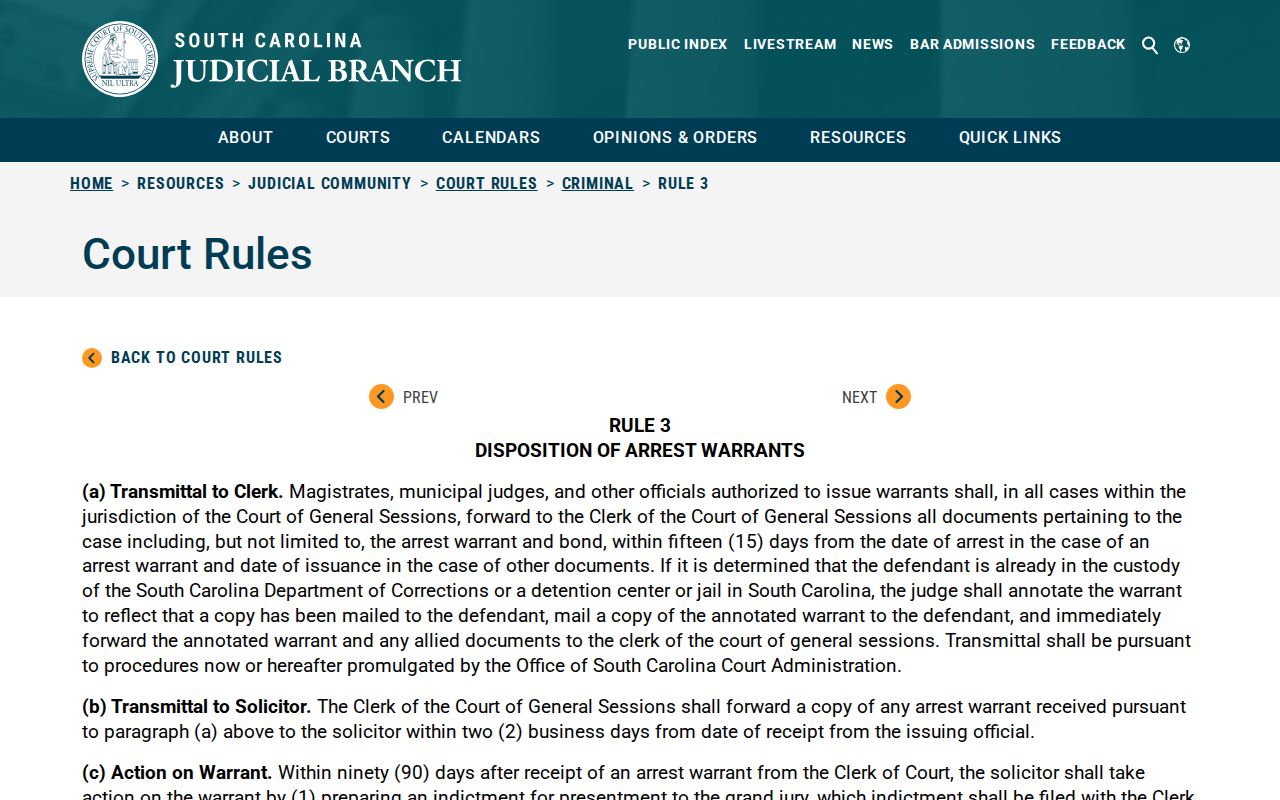
Ask the Clerk whether a transmitted record is available in the case file.
Union County Arrest Warrant Privacy
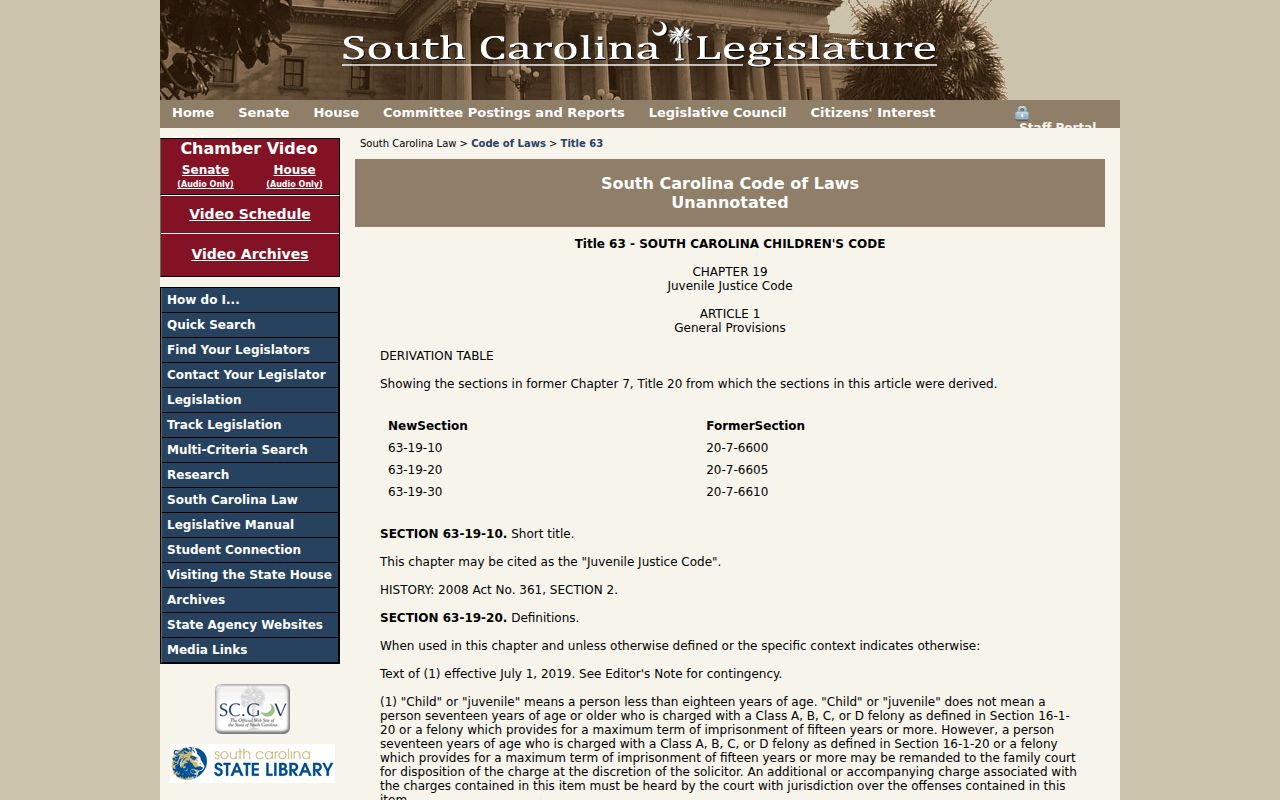
Arrest-warrant files can hold affidavits, alleged offenses, officer details, identity data, and investigative facts. The South Carolina Freedom of Information Act carries exemptions for protected law-enforcement, personal, and confidential information. A public body in Union County may release one redacted portion while withholding the rest. The Judicial Branch describes 2026 address protections for qualifying judges and certified officers. Juvenile records face separate limits under Title 63. The state juvenile-confidentiality chapter governs access to youth records.
The Judicial Branch privacy page explains public-index address rules and official protections.
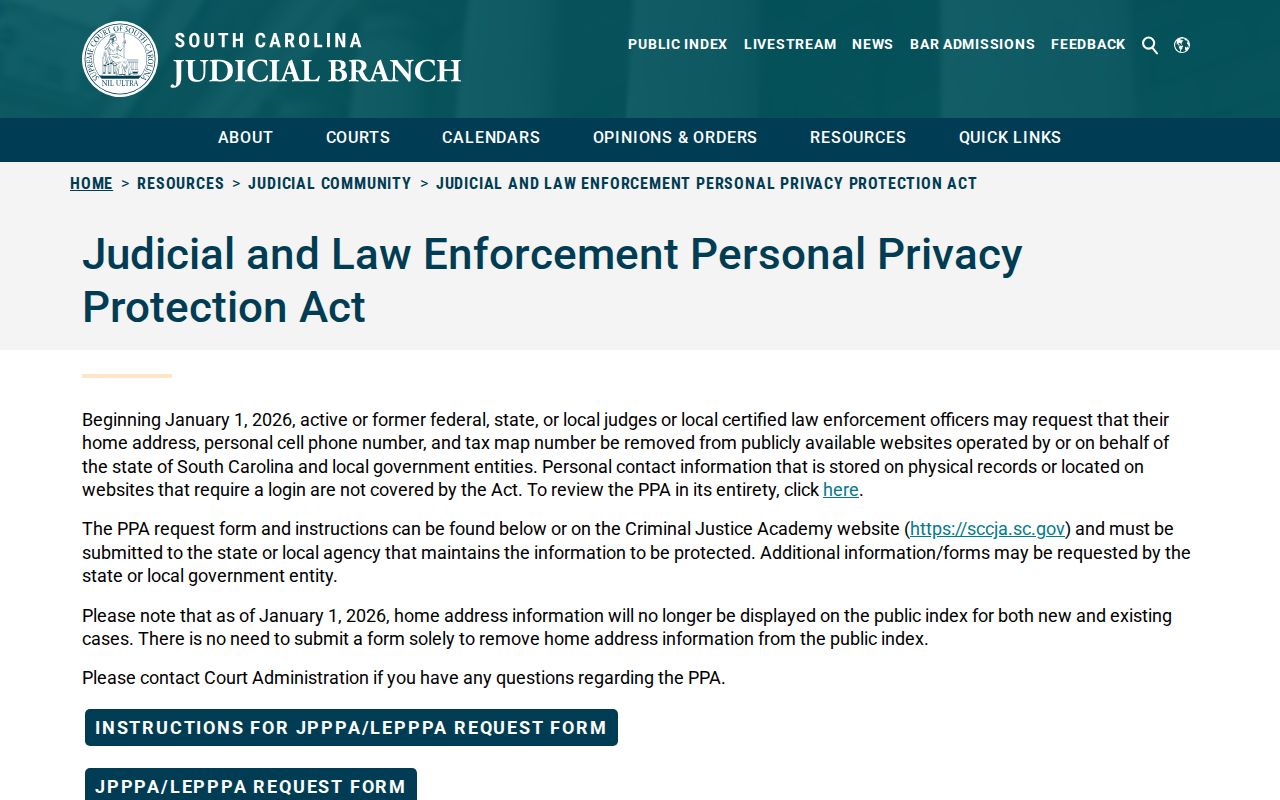
It is a source for current court-web handling, not a warrant-status search.
Arrest Warrants, Summonses, and Bench Warrants
These papers can push a case down different paths, so read the title and the issuing court before you act. A summons directs a person to appear. A bench warrant often follows failure to appear or comply. An arrest warrant authorizes custody after criminal process, and South Carolina law plus the court's actual order control the details in any Union County matter.
| Document | Common purpose | Union County contact |
|---|---|---|
| Arrest warrant | Authorizes custody under court process | Issuing court; Sheriff for service record |
| Bench warrant | Responds to a missed duty or court order | Issuing Magistrate, Municipal, or Family Court |
| Summons | Calls a person to appear | Court named on notice |
A new case filing or an online docket event is not the same as a current warrant. Confirm the order's status directly with the Union County office that maintains it.
Union County Arrest Warrant Service Roles
Each Union County office holds one slice of the warrant process. Magistrate Court issues the arrest and search warrants. The Sheriff serves them, on felony and misdemeanor cases alike. The Clerk of Court keeps the General Sessions records, plus the rest of the circuit files, while municipal courts handle what falls inside their own authority. For custody questions, the detention center portal is the right stop. Call before you drive. The Magistrate Court number is 864-429-1648, the Clerk is 864-429-1630, and the Sheriff is 864-429-1612. Bond hearings run twice daily at the Magistrate Court, though the page gives no exact hours, so a phone call settles that.
Union County Warrant Versus Custody
A jail roster and a warrant are two different records, and people mix them up constantly. Someone can hold an active Union County warrant yet never show in the detention portal, because the Union County Detention Center inmate search tracks bookings rather than court orders or Sheriff's service entries. SLED CATCH leaves out wanted-person data too. So a blank result from either tool proves nothing about whether a warrant exists; only the issuing court can confirm that. Match your question to the right office. Custody questions go to the detention center, service-return questions to the Sheriff, and anything about a current order to the court that issued it. That habit keeps a jail search, a criminal-history check, and a case index from being mistaken for one universal warrant answer.
Union County Arrest Warrant Check
Start with the South Carolina Public Index to pull a case number or docket context, then phone the office tied to the record. Union County publishes no complete public arrest-warrant search; the Sheriff's site describes service duties but posts no web roster of every order. A records request still has uses, though. You can ask an office for a blank form, a description of its process, or any nonexempt service record. Name the office and the date range, and request reasonably segregable material if part of the file is exempt. For a personal status question or possible arrest exposure in Union County, a lawyer or the issuing court is the more direct route than a broad FOIA request.
Handling an Arrest Warrant in Your Name
No single countywide procedure covers every arrest warrant in Union County. What happens depends on the court and the order itself. A person may need to appear, arrange surrender, ask about bond, or request a ruling. The county's official pages publish no universal walk-in process, payment method, recall fee, or guaranteed timeline. Calling the Sheriff does not change the order either; only the issuing court can recall or quash it.
If you think an arrest warrant may be in your name, speak with a South Carolina lawyer or the issuing court before appearing. Ask about the proper court, time, and process.
For the wider picture, the Union County warrant overview lays out the other official routes and explains how a court record differs from a service or custody record.